
How Puzzle Patterns Reveal Your Mental Advantages and Gaps
페이지 정보

본문
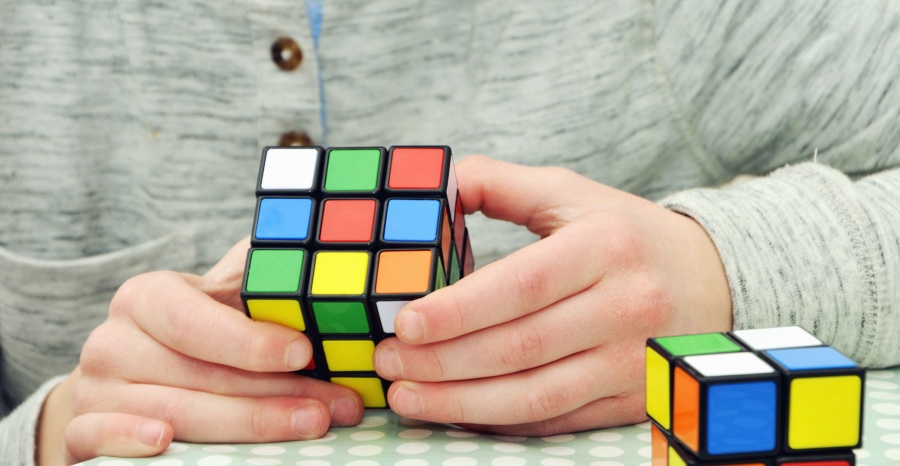
When you solve puzzles, you’re not just passing time—you’re revealing the architecture of your thought patterns
No matter if you prefer word games, number grids, or visual mosaics, the way you navigate each puzzle exposes your brain’s preferred strategies
By meticulously tracking your performance over weeks or months, you can pinpoint exactly which puzzle types you master—and which ones consistently stump you
Your puzzle history isn’t just a record of wins and losses—it’s a blueprint for understanding your mental wiring
Start small—record the basics: what you solved, how long it took, and where you got stuck
Do you thrive on verbal clues but freeze when presented with abstract shapes or sequences?
Such patterns may point to strong verbal reasoning paired with weaker spatial awareness
If you’re quick with logic grids but frequently overlook small details, your processing speed may outpace your attention to detail
Patterns in failure are just as informative as patterns in success
If you often guess instead of methodically testing possibilities, you may be prioritizing speed over accuracy
When you struggle with novelty, it’s a sign your brain craves predictability over adaptability
Don’t just solve what’s easy—target your weaknesses with deliberate practice
If pattern recognition is a weak spot, prioritize nonograms, Kakuro, or sequence-based puzzles that demand visual and numerical pattern detection
If you’re strong in memory but hesitant to act quickly, incorporate timed puzzles to build confidence and reduce overthinking
The goal isn’t mastery of every puzzle type—it’s deep self-awareness of your natural cognitive rhythm
Puzzle performance data also shines a light on how external conditions influence your focus and accuracy
Do you solve more accurately in quiet solitude, or do collaborative puzzles bring out your best thinking?
These observations allow you to optimize when, where, and how you practice for maximum cognitive return
This practice is introspection disguised as recreation
Your puzzle history is a living journal of your cognitive identity
The mindfulness you develop through read about puzzle analysis becomes a transferable superpower
Over time, you’ll make better choices, anticipate your own blind spots, and approach life’s challenges with greater clarity and strategic patience
- 이전글Polisi Gerebek Tempat Judi Togel Online dalam Jambi, 13 Orang Diamankan 26.02.02
- 다음글Gubernur Banten Tambah Daftar Panjang Deretan Kepala Daerah Positif Corona 26.02.02
댓글목록
등록된 댓글이 없습니다.